
Inside Anthropic’s Emerging Partner Ecosystem: What Keyhole Is Seeing and Applying in Enterprise AI
Keyhole Software was selected to participate in Anthropic’s emerging ecosystem and invited to the 2026 Partner Summit. Here is what we are seeing firsthand and how we are applying it in real enterprise AI development and software delivery.
AI vendors are no longer just releasing models. They are building ecosystems.
Anthropic is at the forefront of this shift, building an ecosystem around its Claude platform to support real enterprise development and adoption.
Keyhole Software was invited to the 2026 Anthropic Partner Summit and selected to participate in Anthropic’s emerging partner ecosystem, providing direct access to their partner portal, training, and go to market resources.
That level of access matters. It gives us early visibility into how Anthropic is approaching enterprise AI and allows us to apply those insights, tools, and delivery patterns directly in client environments today.
In This Blog
In this blog, we will share what we are seeing and what it means for enterprise teams navigating AI adoption:
- What Anthropic’s ecosystem signals for enterprise AI adoption
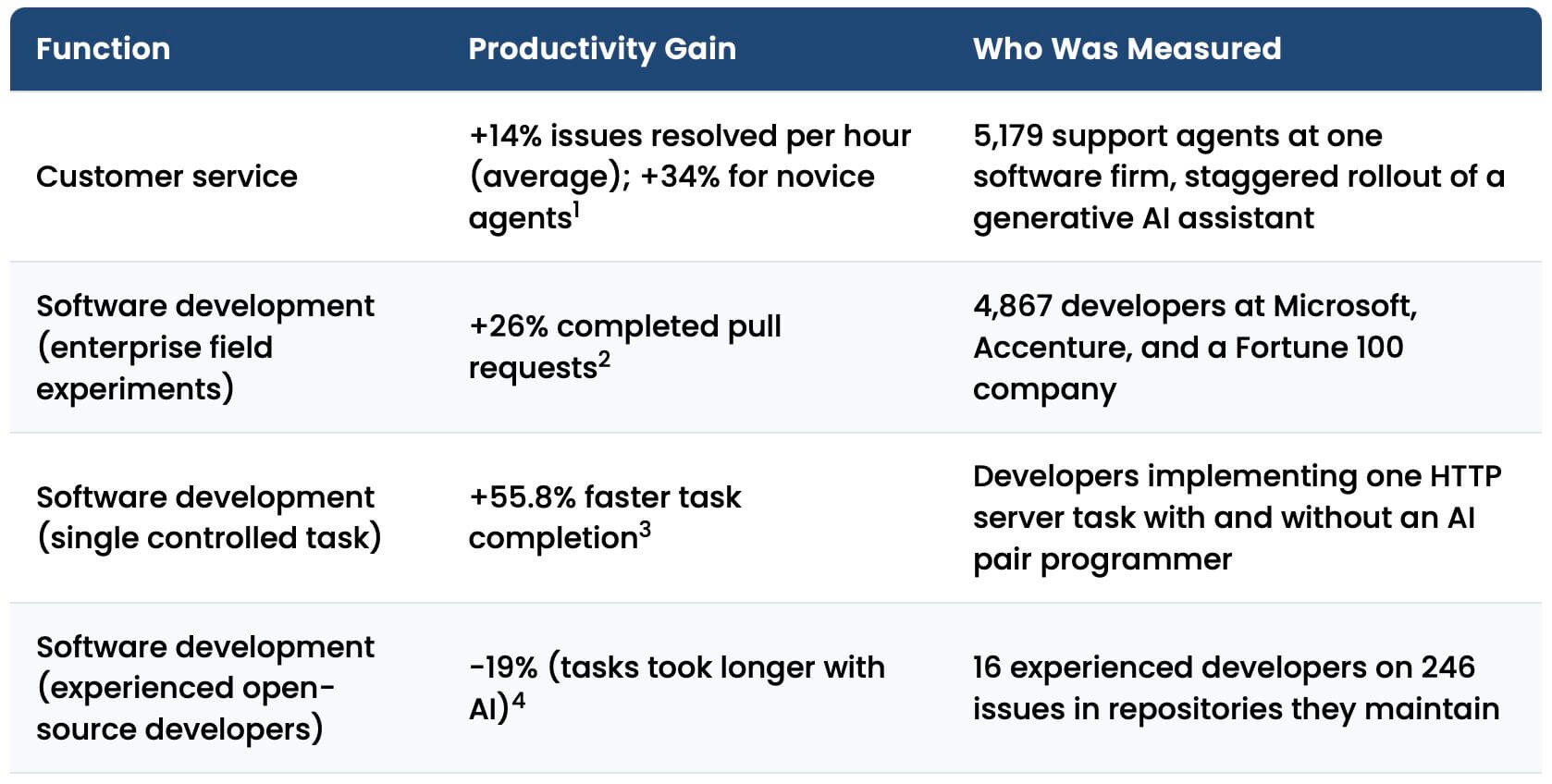
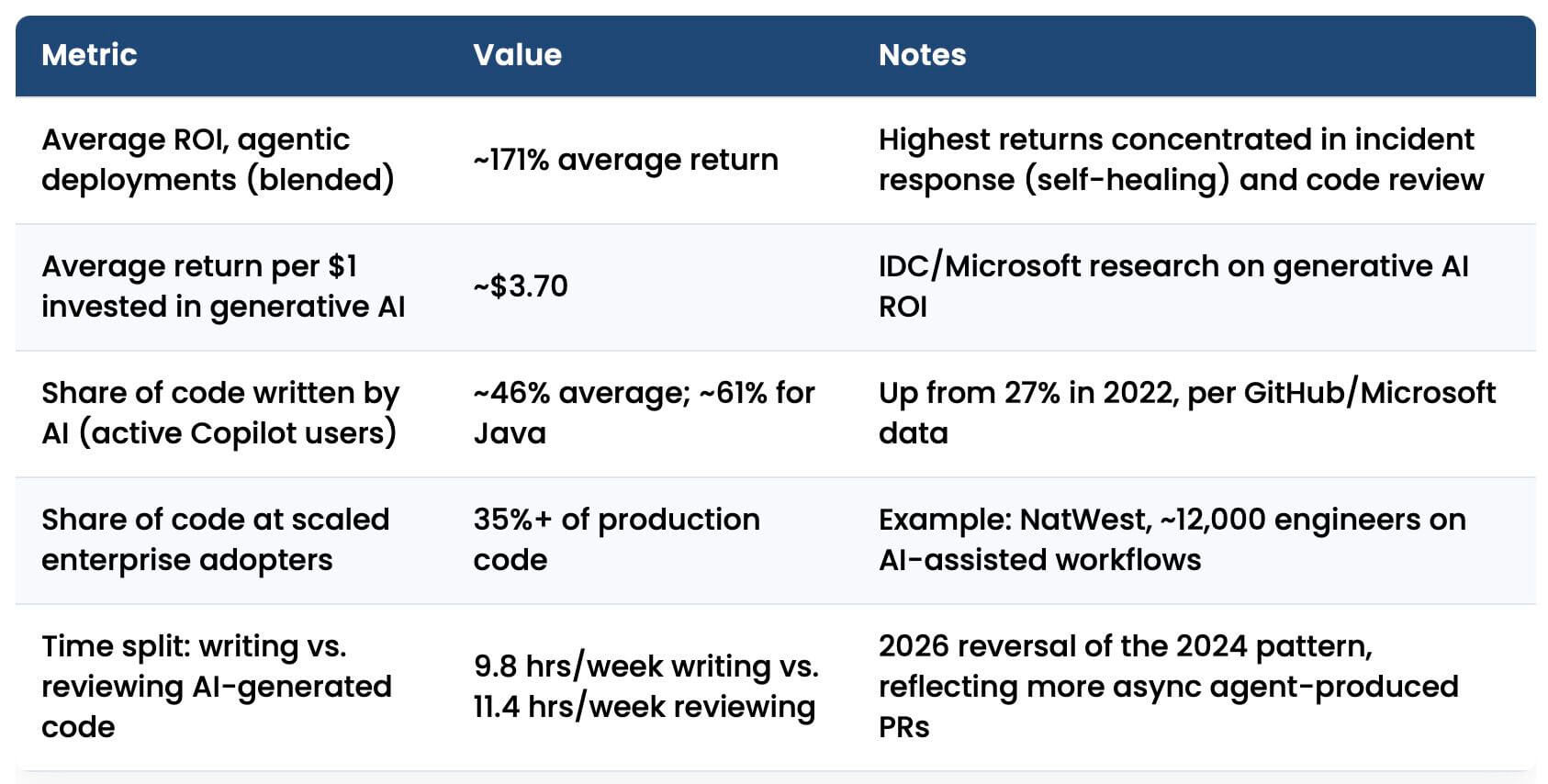
- Where AI is actually delivering value in software development
- How agentic workflows are being applied in real environments
- What enterprise teams need to get right to avoid risk
- How Keyhole is applying these capabilities in production
These insights are based on direct access to Anthropic’s broader partner ecosystem and real-world application across enterprise client engagements.
How Anthropic’s Ecosystem Is Shaping Enterprise AI Development
Anthropic’s ecosystem is designed to support enterprise AI development beyond model access, providing the tools, training, and delivery frameworks needed to apply AI in real-world environments. This ecosystem includes training, tools, and delivery frameworks that enable organizations to move from AI experimentation to production-ready implementation.
From what we’ve seen so far inside Anthropic’s ecosystem, it includes several core components that directly impact how AI is applied in enterprise software development:
Key Components of Anthropic’s Enterprise AI Ecosystem
- Partner Portal Access:
A centralized hub for training, resources, and internal documentation supporting enterprise AI implementation - Structured Training and Certification Pathways:
Access to Anthropic Academy courses and learning paths covering areas such as Claude Code workflows, agent-based development, Model Context Protocol (MCP), and AI fluency allows our consultants to continuously deepen their expertise and apply evolving AI capabilities more effectively in enterprise delivery environments - Go-to-Market Playbooks:
Insight into how Anthropic approaches enterprise use cases, positioning, and solution framing - Services Ecosystem (In Progress):
A developing ecosystem intended to connect enterprises with firms experienced in Claude implementations
These components reflect a broader shift in enterprise AI adoption. AI providers are moving beyond APIs and toward ecosystem-led delivery models, where implementation experience, training, and structured workflows are as important as model capability.
Why This Matters for Enterprise AI Adoption
This level of structured enablement is important. It ensures teams are not just adopting AI tools, but developing the skills required to apply them effectively within governed, enterprise-grade delivery environments.
For enterprise organizations, this means success with AI is increasingly determined by how well these capabilities are integrated into real software development workflows—not just access to the tools themselves.
About Anthropic and Claude Code
Anthropic is an AI company focused on building enterprise-grade foundation models, including the Claude family of models designed for safe, reliable, and scalable use.
Claude, powered by Anthropic, includes tools such as Claude Code and is increasingly being used within development workflows to generate code, assist with system design, and support agentic execution patterns.
Where AI Is Actually Delivering Value in Enterprise AI Development
AI is delivering value in enterprise software development primarily through code generation, legacy modernization, test automation, and agent-based workflow execution.
Access to tools is not the differentiator. What matters more is how they perform in real delivery environments. Here is what we are seeing in practice.
AI Is Becoming the Execution Layer in Enterprise Software Development
AI is no longer just assisting developers, it is increasingly executing well-defined work. In structured environments, we’re seeing AI:
- Generate production-ready code
- Translate legacy systems into modern languages
- Scaffold new services and APIs
- Produce meaningful test coverage
But this only works when the problem is clearly defined. Without that structure, output quality drops quickly.
Agentic AI Workflows Are Real but Require Strong Governance
Agent-based workflows, where AI systems operate semi-autonomously throughout the enterprise SDLC, are becoming viable in controlled environments. (We talked about this in our recent three-part blog series on using agentic AI software development for the enterprise.)
However, they introduce new risks:
- Drift from intended architecture
- Inconsistent implementation patterns
- Hidden defects without proper testing gates
The teams seeing success in agentic software development workflows are not removing structure, they are increasing governance through:
- Test-gated workflows
- Defined architectural boundaries
- Clear intent-driven task definition
AI increases speed. It also increases the cost of weak governance.
Why the Constraint in AI Development Has Moved Upstream
The bottleneck is no longer writing code. It is:
- Defining intent clearly
- Structuring work effectively
- Making sound architectural decisions that hold up in enterprise software development
The speed of execution has increased, but the importance of getting the design right has increased even more.
This aligns with broader industry findings from organizations like DORA (DevOps Research and Assessment), which show that increases in development speed without strong engineering fundamentals can negatively impact system stability. They are also grounded in how these patterns are performing across active enterprise engagements, not isolated proofs of concept.
What Enterprise Teams Need to Get Right in AI Development
To successfully implement AI in enterprise environments, teams must prioritize governance, architecture, and structured workflows to ensure quality, consistency, and long-term maintainability.
Why Governance Matters More in Enterprise AI Development
Faster execution requires stronger:
- Testing strategies
- Traceability
- Workflow control
Why Architecture Is the Differentiator in AI-Accelerated Development
When execution becomes easier, architecture becomes the constraint. The quality of:
- System design
- Data flow
- Integration strategy
…determines whether AI actually creates value.
AI Does Not Replace Engineering Discipline in Enterprise Systems
The organizations seeing real results are not treating AI as a shortcut. They are:
- Integrating AI into existing delivery processes
- Maintaining architectural ownership
- Applying AI within defined constraints
These patterns are already shaping how we approach AI-accelerated development services and legacy system modernization efforts in real client delivery.
Why This Perspective Matters
Keyhole Software works with enterprise organizations across industries including financial services, healthcare, logistics, and manufacturing.
Our employee teams are:
- 100% U.S.-based consultants
- Averaging 17+ years of professional development experience
- Architect led on every engagement
The majority of our work is with repeat clients, reflecting long-term partnerships built on consistent delivery in complex enterprise environments. We are not evaluating AI in isolation. We are applying it within complex, real-world systems where performance, reliability, and long-term maintainability matter.
What This Means for Keyhole Clients
Our involvement in Anthropic’s ecosystem is not just informational—it directly impacts how we deliver for our clients.
This is where access and experience start to create separation. Because we are working inside Anthropic’s ecosystem as it evolves, we are not reacting to these changes. We are applying them in real delivery today. Because of this access, Keyhole is able to:
- Stay ahead of where AI technology and AI coding tools are going
We are working with tools like Claude Code and agentic workflows as they mature, not after they become standard - Apply patterns that hold up in real delivery
We are not experimenting in isolation. We are integrating AI into governed, testable workflows - Accelerate timelines without compromising quality
AI increases speed, but our delivery model ensures that speed does not introduce risk - Guide decisions earlier in the process
Clients benefit from direct insight into how leading AI providers are structuring enterprise adoption
The result is faster delivery, but more importantly, more predictable and scalable outcomes for our enterprise software development clients.
How Keyhole Is Applying Enterprise AI in Live Client Delivery
Because we are working directly with these tools and training materials as they evolve, we are able to apply them immediately in client delivery—not months or years after broader market adoption.
This is already being applied in live client enterprise development environments.
AI-Accelerated Legacy Modernization
In a recent modernization effort for a Kansas City based insurer:
- A legacy platform was replaced end to end
- Delivery completed in approximately 5 months compared to an estimated 18 to 24 months
- Work executed by a small, senior led team using AI assisted workflows
AI-Assisted Legacy Code Transformation
In mainframe modernization efforts:
- AI assisted translation from COBOL into modern languages
- Applied within structured workflows with validation and testing
- Resulted in a 20 to 30 percent reduction in manual effort
Applying Agentic AI Workflows in Controlled Enterprise Environments
We are actively applying:
- Multi agent workflows for parallel execution
- AI assisted backlog implementation
- Test gated automation pipelines
All within architect defined guardrails and enterprise validation standards.
AI in Enterprise Software Development: Before and After Comparison
The impact of AI in enterprise software development becomes clearer when comparing traditional delivery models with AI-accelerated, architect-led approaches:
| Area | Without AI | With AI + Keyhole Delivery Model |
|---|---|---|
| Modernization timelines | 18 to 24 months | ~5 months in recent engagement |
| Legacy code conversion | Manual, time intensive | 20 to 30 percent acceleration |
| Development throughput | Linear | Parallel with agent workflows |
| Risk profile | Lower speed, controlled | High speed with governed workflows |
Who Should Consider Enterprise AI Development Now
Enterprise AI development is most relevant for organizations modernizing legacy systems, scaling software delivery, or looking to introduce AI into structured, production-grade environments.
This approach is most relevant for organizations that:
- Are modernizing legacy systems or mainframe applications
- Are evaluating how to safely adopt AI in software delivery
- Have internal engineering teams but need architectural guidance
- Are looking to accelerate timelines without increasing risk
Where Enterprise AI Is Going and How We’re Preparing Clients for It
What Anthropic is building is part of a larger shift. Enterprise AI adoption will not be driven by tools alone. It will be driven by ecosystems.
That includes:
- Training and enablement
- Implementation experience
- Repeatable delivery patterns
We expect to see:
- More structured ecosystems and certifications
- Increased focus on real world implementation experience
- Greater demand for firms that can apply AI responsibly in production
Key Takeaways for Enterprise AI Development
Keyhole Software was selected to participate in Anthropic’s emerging ecosystem at a point when both the program and the broader AI landscape are still evolving.
That timing matters. It allows us to:
- See where enterprise AI is actually heading
- Validate what works in real delivery environments
- Apply those capabilities in a structured way for our clients
AI is changing how software is built. The organizations that benefit will not be the ones moving fastest. They will be the ones applying these tools with discipline, strong architecture, and real delivery experience.
That is where we focus.
Explore What This Means for Your Organization
If you are evaluating enterprise AI adoption, looking to accelerate modernization, or even exploring autonomous agentic systems, the challenge is not access to tools. It is applying them in a way that holds up in real delivery environments.
This is especially relevant for organizations evaluating build versus buy decisions, modernization timelines, or how to safely introduce AI into existing engineering workflows.
Keyhole Software works with enterprise teams to implement AI in a structured, architect-led model that balances speed with long-term maintainability.
👉 Request a conversation to evaluate how this approach would apply to your environment.
More From Keyhole Software
About Keyhole Software
Expert team of software developer consultants solving complex software challenges for U.S. clients.
Share This Post
Join The Thousands Of Devs Who Subscribe
Discuss This Article
Subscribe
Login
0 Comments
Oldest