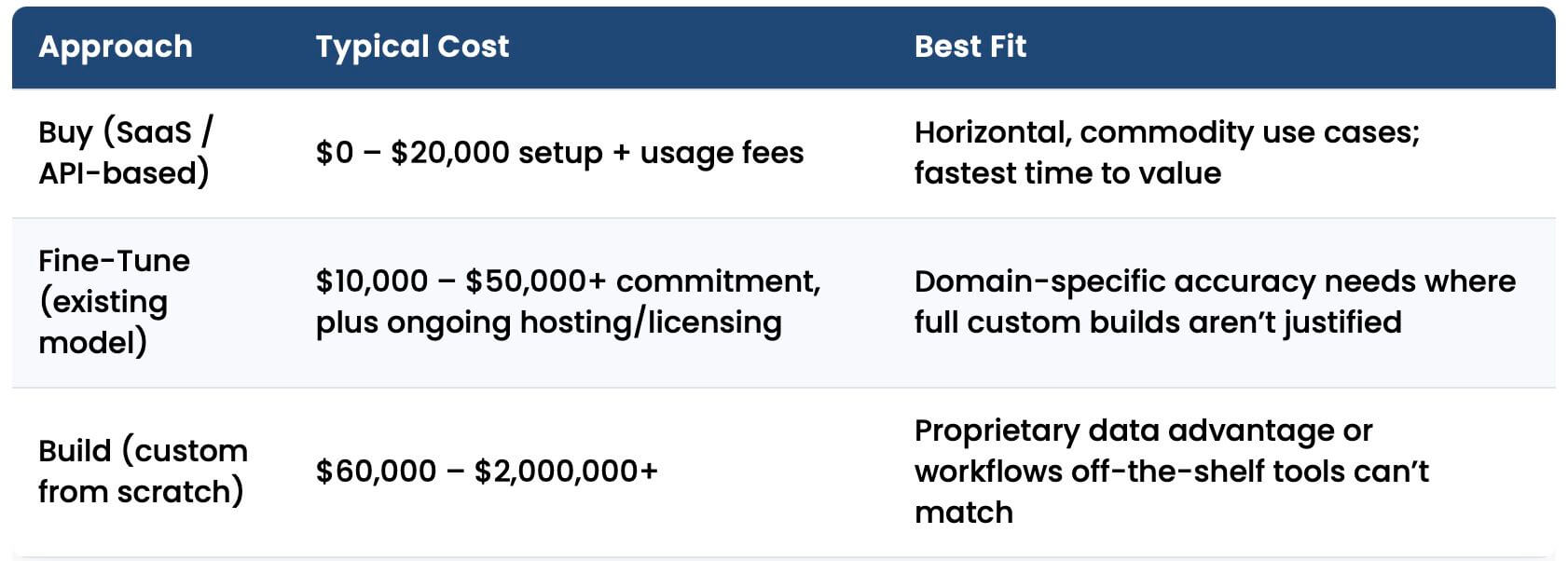
2026 analysis of AI software development costs exploring enterprise spending trends, total cost of ownership (TCO), build-vs-buy decisions, and how AI-accelerated development is reducing delivery timelines and improving ROI for CTOs and engineering leaders.
AI Coding Tools in Enterprise Software Delivery: An Architectโs Workflow
AI coding tools are everywhere โ but most teams are still experimenting in isolated demos. In this architect-level walkthrough, Keyhole Software Chief Architect Zach Gardner shows how we use tools like Claude Code in real, production delivery: with planning mode, constraints-first prompting, multi-agent workflows, and the governance required for enterprise environments.
Mobile App Deployment in the Real World: Subscriptions, Services, and Platform Realities (Part 3)
Mobile app deployment is where many promising ideas start to encounter real-world friction. What worked as a prototype suddenly has to meet the expectations of app store ecosystems, subscription models, and an increasingly complex stack of services. In this third part of the Pennies-AI journey, weโll explore what it actually takes to navigate the maze of mobile deployment and monetization. …
Software Development Trends 2026: Enterprise Technology Adoption & Predictions
Software development trends in 2026 is being reshaped by forces that extend well beyond incremental tooling improvements. AI-assisted development, cloud-native infrastructure, and zero-trust security are no longer experimental capabilities.
Agentic AI Development in Practice: Building a Full-Stack App in 19 Autonomous Iterations
See how Keyhole implemented agentic AI development using an autonomous delivery loop to build a full-stack application in 19 test-gated iterations. This real reference implementation demonstrates how autonomous agents can operate inside a governed enterprise SDLC with architectural guardrails, commit-level traceability, and test-validated delivery.