The same AI model can cost 5x more depending on the harness around it. Here’s what an agentic harness is, what we’d build first, and the controls we won’t skip.
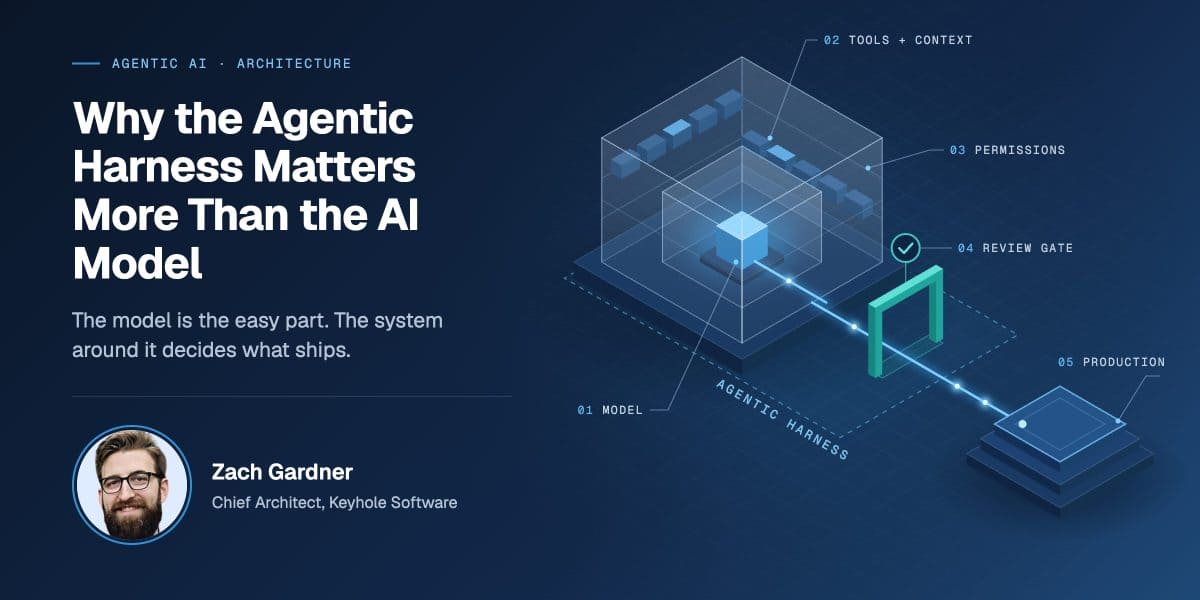

The same AI model can cost 5x more depending on the harness around it. Here’s what an agentic harness is, what we’d build first, and the controls we won’t skip.
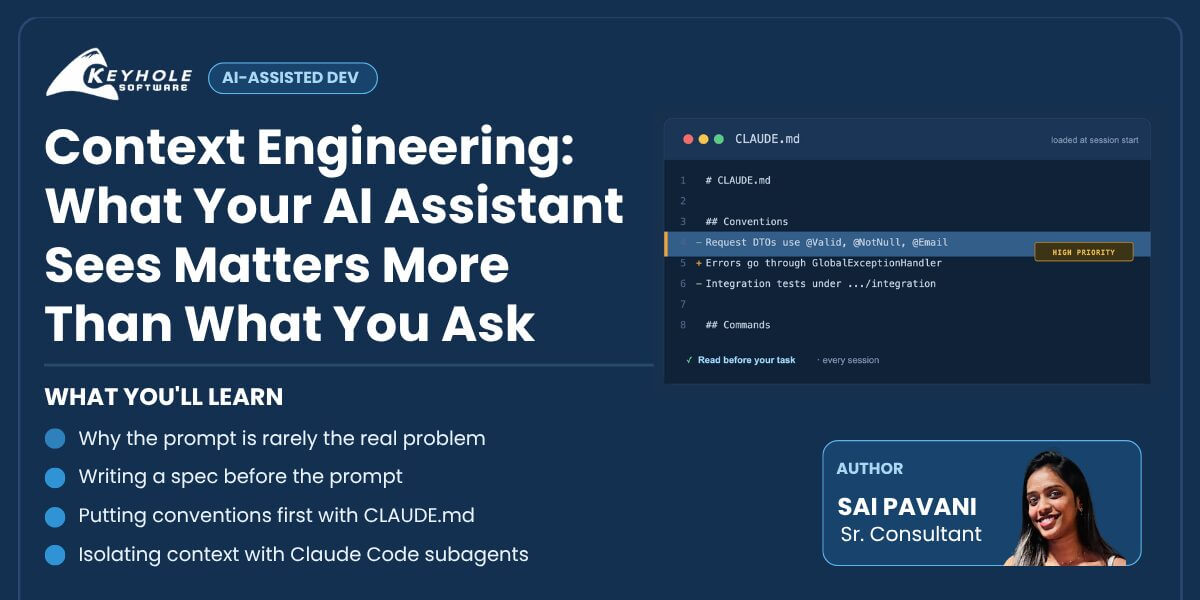
Most of the advice I’ve seen about getting good code out of AI assistants like Claude Code is about writing better prompts. In my experience, that stopped being the main lever a while ago. What matters more is what the model can actually see when it reads your prompt: which files, which conventions, and how much noise is in the way.
People have started calling this context engineering. In this post, I’ll walk through what that means and three habits I’ve picked up, using Claude Code’s CLAUDE.md and subagent files as concrete examples.
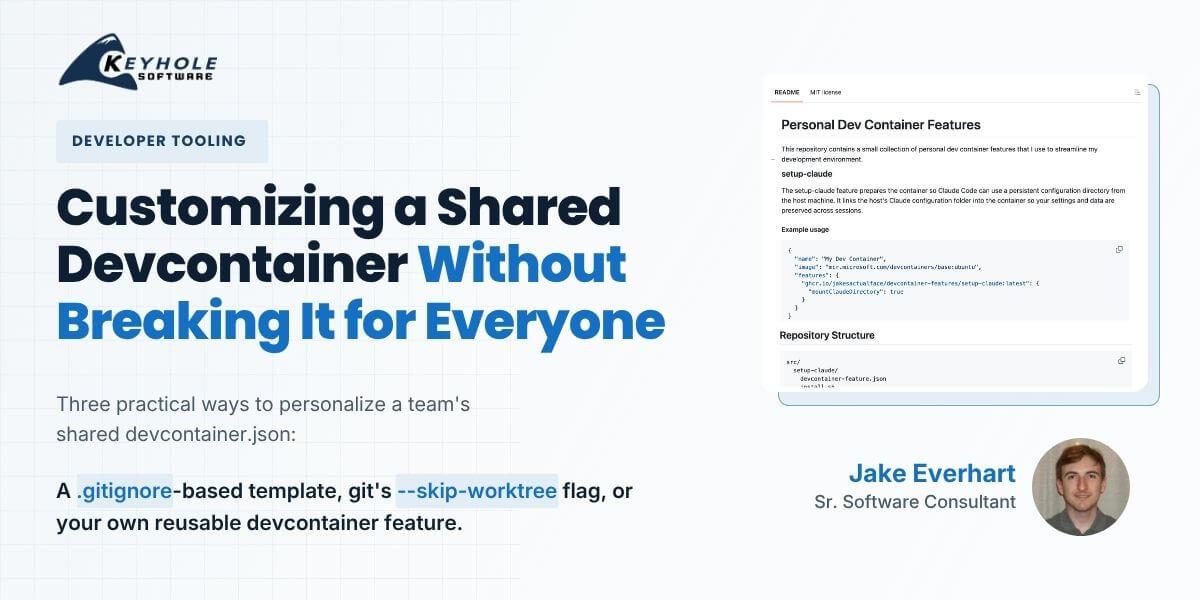
There’s no single “correct” way to customize a devcontainer, just like there’s no one right way to use most tools in software development. Devcontainers can be great for solo projects, to yield an isolated development workspace with no risks of polluting (or being polluted by) the external environment. They can also give teams a consistent, baseline environment for bootstrapping engineers, with integrations like GitHub Codespaces exposing that environment in a variety of ways. But the gap between those workflows is large, and managing it sometimes requires weighing a team’s needs vs. individual preferences.
It’s a balancing act, and getting it wrong can make your containers brittle, difficult to maintain, and cause enough overall frustration to outshine the benefits.
Yet there are options available for a more-granular approach. We don’t have to decide just between bare-minimum or include-everything – we can curate containers that are focused on the core tools used across the entire team, while still providing room for per-user expansions.
Today, we’ll explore a few approaches for customizing a shared devcontainer setup across different team scenarios, without having to abandon shared devcontainers altogether.
Keyhole Software was selected to participate in Anthropic’s emerging ecosystem and invited to the 2026 Partner Summit. Here is what we are seeing firsthand and how we are applying it in real enterprise AI development and software delivery. AI vendors are no longer just releasing models. They are building ecosystems. Anthropic is at the forefront of this shift, building an …
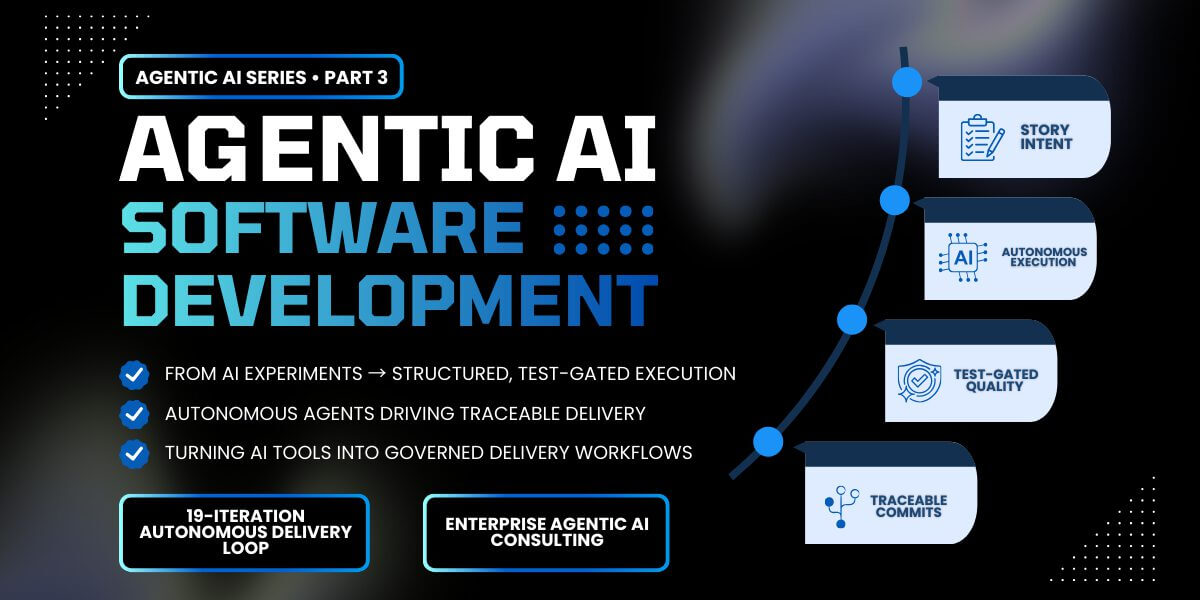
Agentic AI delivery is a software delivery model where autonomous agents execute development tasks inside a governed software development lifecycle (SDLC), operating within architectural guardrails, dependency-ordered backlogs, and test-gated workflows. In Part 1 and Part 2 of this series, we introduced agentic AI delivery as an enterprise software delivery model and explored how governed, autonomous execution can operate within a …