Developer productivity metrics for 2026: DORA levels, cycle time and PRs per developer by team size and industry, and the measured impact of AI coding agents.
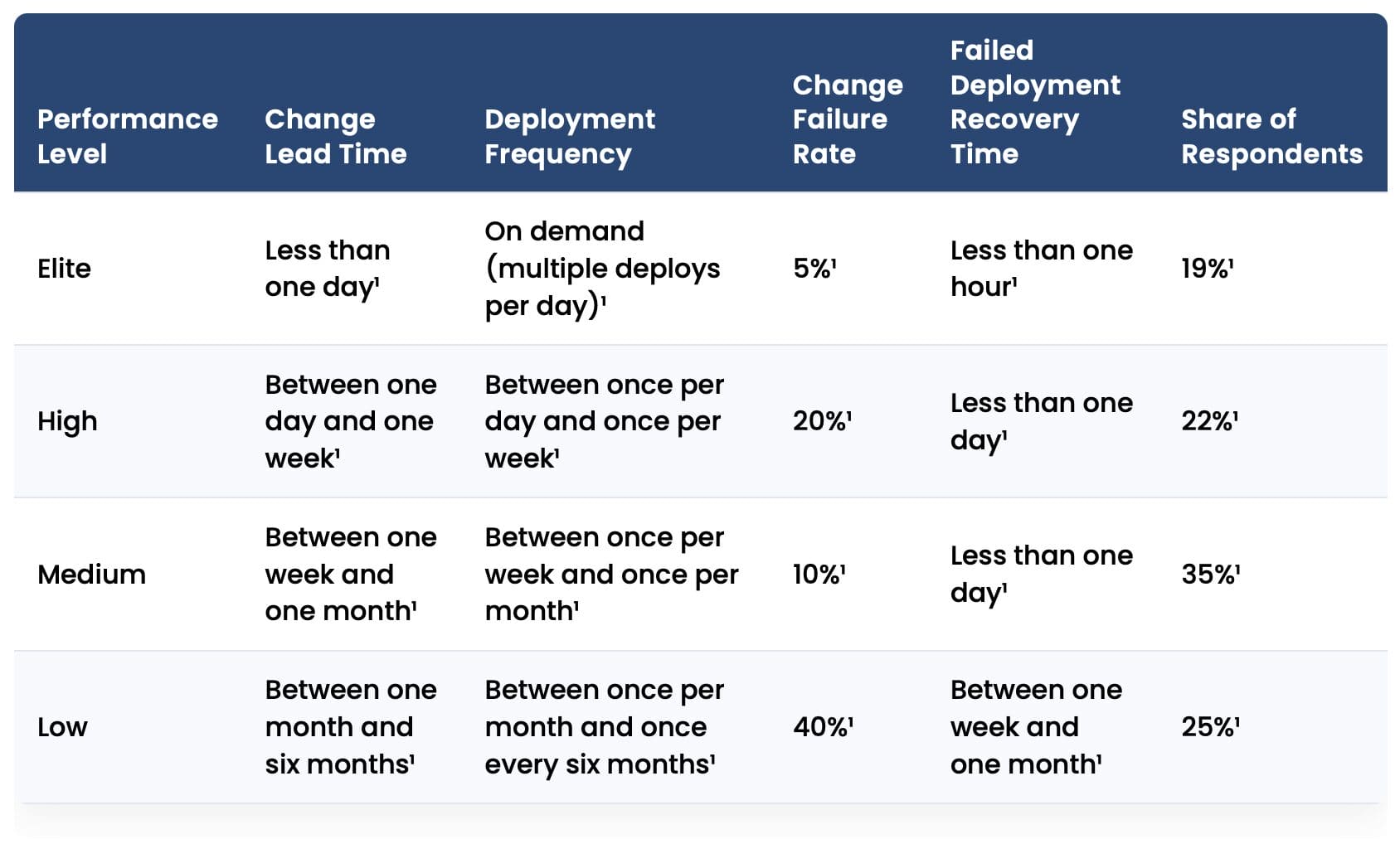

Developer productivity metrics for 2026: DORA levels, cycle time and PRs per developer by team size and industry, and the measured impact of AI coding agents.
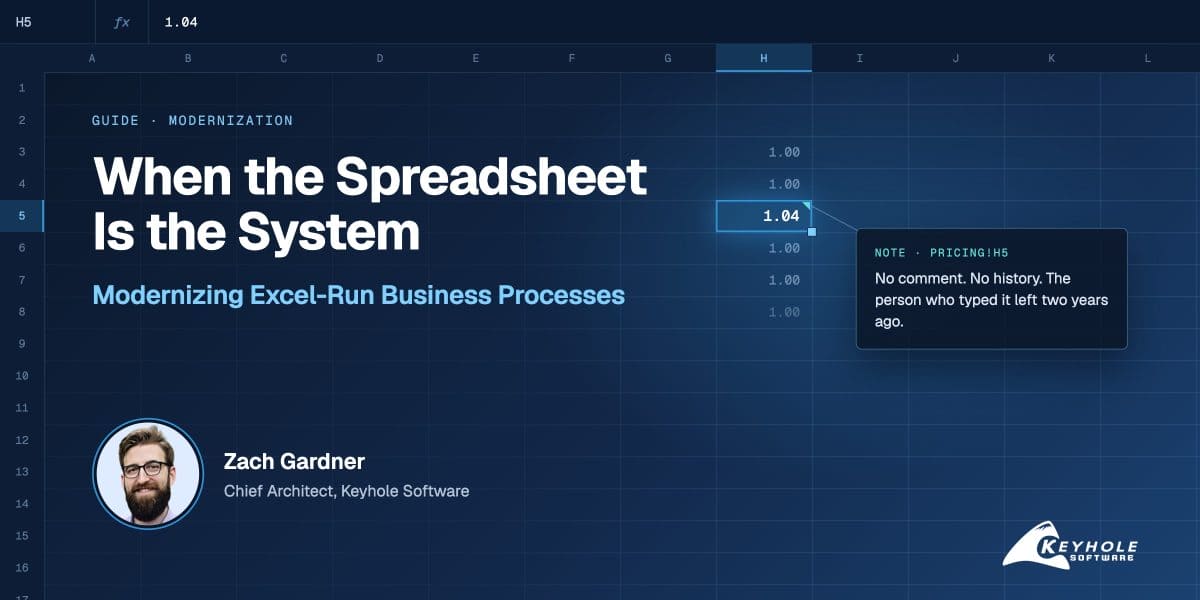
88% of audited spreadsheets contain errors. Here’s why replacing an Excel-run process isn’t like modernizing legacy code, and a practical way to do it.
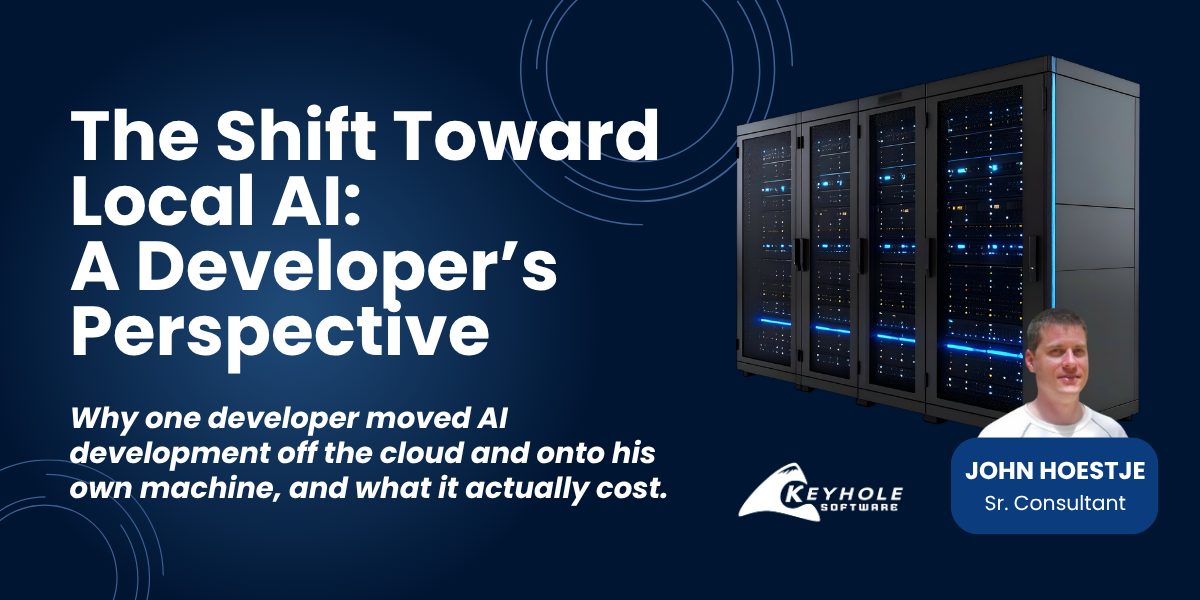
AI has moved fast, faster than most of us expected, and the cost of keeping up is starting to show. What began as inexpensive, wide-open access to powerful cloud models has shifted into a landscape of rising token prices, stricter quotas, and unpredictable availability. More teams are starting to ask a question that would have sounded unrealistic a year ago: should we start hosting our AI models locally?
In this post, I’ll walk through why token costs and model access are becoming harder to rely on, why open models and local hardware are closing the gap, and what actually happened when I ran a full agentic workflow on my own machine, starting with the cost problem that kicked this off.
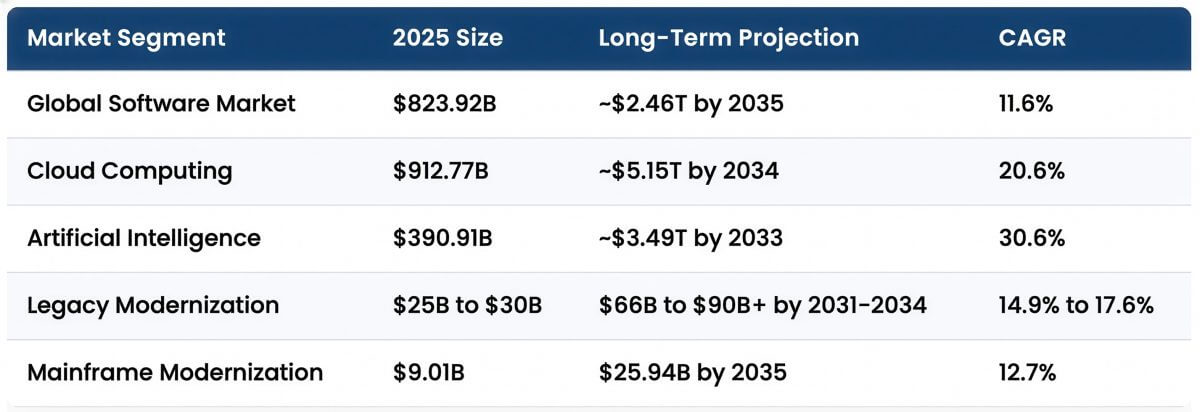
2026 legacy modernization trends: market size data, growth rates, regional breakdowns, and industry adoption stats from 8+ analyst sources.
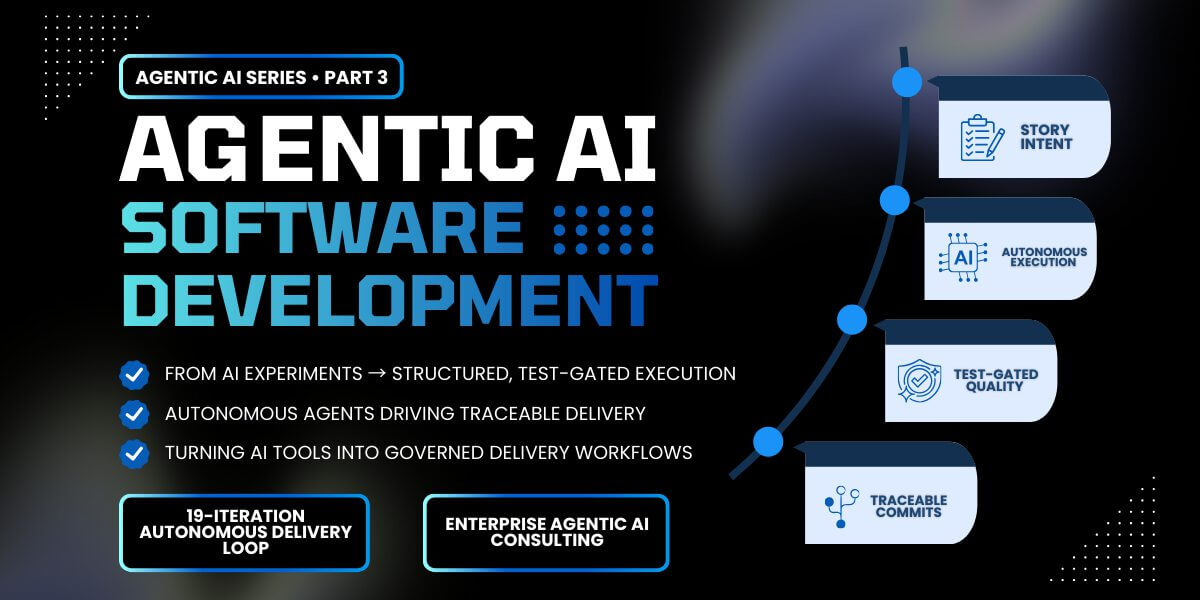
Agentic AI delivery is a software delivery model where autonomous agents execute development tasks inside a governed software development lifecycle (SDLC), operating within architectural guardrails, dependency-ordered backlogs, and test-gated workflows. In Part 1 and Part 2 of this series, we introduced agentic AI delivery as an enterprise software delivery model and explored how governed, autonomous execution can operate within a …