Keyhole Team Design Contest with MockOla!

Keyhole Software Articles, Company News, Design, Development Technologies & Tools, Keyhole Creations Leave a Comment

Attention: This article was published over 6 years ago, and the information provided may be aged or outdated. While some topics are evergreen, technology moves fast, so please keep that in mind as you read the post.**For more information about MockOla, its features and capabilities, and how it was built, visit its product page on the Keyhole Labs site.** Start …

Keyhole Releases Updated Design Tool, MockOla

Keyhole Software Articles, Company News, Design, Keyhole, Keyhole Creations Leave a Comment

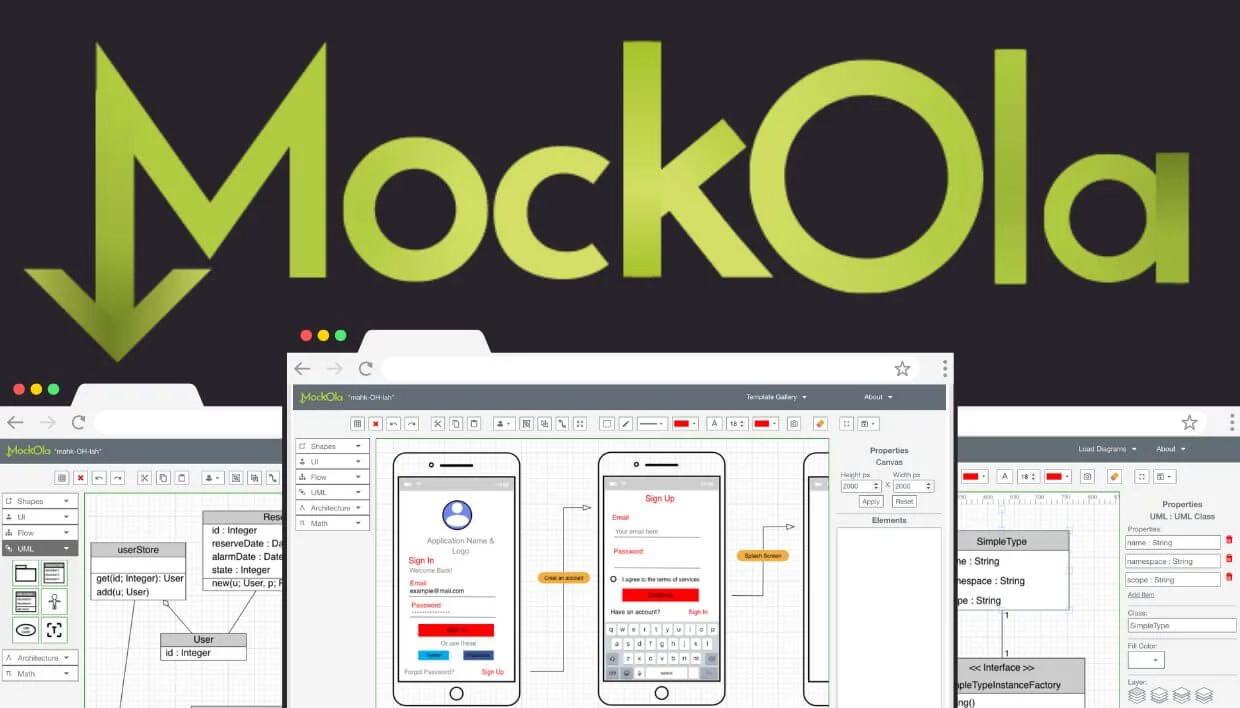
Keyhole Labs has released an updated version of the design tool, MockOla. MockOla gives users the power to build beautiful UI wireframes, free-form designs, flow charts, and UML diagrams. Insert elements from specialized palettes by simply dragging and dropping them onto the canvas. Easily add, move, reshape, and customize the elements to fit your unique design purpose. Share your designs by downloading them in either JSON or PNG format, or save your designs locally to access and edit them later.

How and Why to Containerize Your Development

John Hoestje Articles, Development Technologies & Tools, Docker, Opinion, Python, Tutorial Leave a Comment

This is a tutorial for how to use the VS Code Remote-Containers extension to containerize your development environment.ย First, I will discuss my reasons for separating my programming environment and why virtual machines didnโ€™t work.ย Then, Iโ€™ll show a simple example using a containerized Python development environment.ย Finally, Iโ€™ll give you my reasons why containerizing the development environment fits what Iโ€™m looking for in a solution.

Native MongoDB to Sequelize with PostgreSQL

Native MongoDB to Sequelize with PostgreSQL

John Boardman Articles, Databases, Heroku, MongoDB, PostgreSQL Leave a Comment

Every long-term project will outlive at least some of the technologies it was originally built with. For example, a project I have been involved with recently ran into this situation. The app is hosted on Heroku, and over the years, the available MongoDB add-ons have changed and dwindled until now, there is only one.

Several migrations between MongoDB add-ons have already happened because of shutdowns. So, it was decided that rather than migrating to the last one still in existence, the project would switch to using PostgreSQL, which is supported directly by the Heroku team.